If you’ve ever asked a group of children to find a verse in the Bible, you’ve probably heard pages flipping frantically as they search for the right book. Learning the Books of the Bible is one of the most important foundational skills for young believers, yet it can sometimes feel overwhelming.
With 66 books divided between the Old Testament and New Testament, memorizing their names and order can seem like a tall order for children. The good news is that learning the Books of the Bible doesn’t have to be boring. Through games, activities, and hands-on learning, kids can master this important skill while having fun.
Whether you’re teaching Sunday School, homeschooling, leading a children’s ministry, or simply helping your own children grow in their faith, understanding the Books of the Bible helps children become more confident readers of God’s Word.
Why Kids Should Learn the Books of the Bible
The Bible isn’t just one book—it’s actually a collection of 66 books that tell God’s incredible story of creation, redemption, and salvation through Jesus Christ.
When children know the Books of the Bible, they can:
- Find Bible passages more quickly.
- Follow along during church and Sunday School.
- Develop confidence when studying Scripture.
- Understand how the Bible is organized.
- Build a strong foundation for lifelong Bible study.
- Grow in their relationship with God through independent reading.
Think of it like learning a map. Before you can travel confidently to different destinations, you need to know where everything is located. The Books of the Bible provide that roadmap for exploring God’s Word.
Understanding the Structure of the Bible
One way to make learning easier is to help children understand that the Bible is organized into sections.
Old Testament
The Old Testament contains 39 books and tells the story of God’s relationship with His people before Jesus came to earth.
The Old Testament includes:
- The Law (Genesis through Deuteronomy)
- History Books
- Poetry and Wisdom Books
- Major Prophets
- Minor Prophets
Children often enjoy learning that books like Genesis tell us about creation, while Psalms contains songs and prayers, and Jonah tells the story of a prophet swallowed by a great fish.
New Testament
The New Testament contains 27 books and focuses on the life, ministry, death, and resurrection of Jesus Christ, as well as the growth of the early church.
The New Testament includes:
- The Gospels
- Church History
- Paul’s Letters
- General Letters
- Prophecy
Books such as Matthew, Mark, Luke, and John tell the story of Jesus, while Acts records the growth of the early church.
Evidence: Active Learning Helps Kids Remember
Research consistently shows that children retain information better when they actively participate in the learning process rather than simply listening to information. Educational games encourage repetition, engagement, and friendly competition, all of which help improve memory and understanding.
This is especially true when teaching Bible skills. Kids are far more likely to remember the order of the Books of the Bible when they are searching, sorting, matching, racing, or playing games than when they are simply reading a list repeatedly.
Interactive Bible games create excitement and encourage children to open their Bibles and explore Scripture for themselves. This hands-on approach transforms Bible learning from a chore into an adventure.
Fun Ways to Teach the Books of the Bible
Teaching the Books of the Bible doesn’t have to involve endless memorization drills. Here are some creative ways to make learning enjoyable.
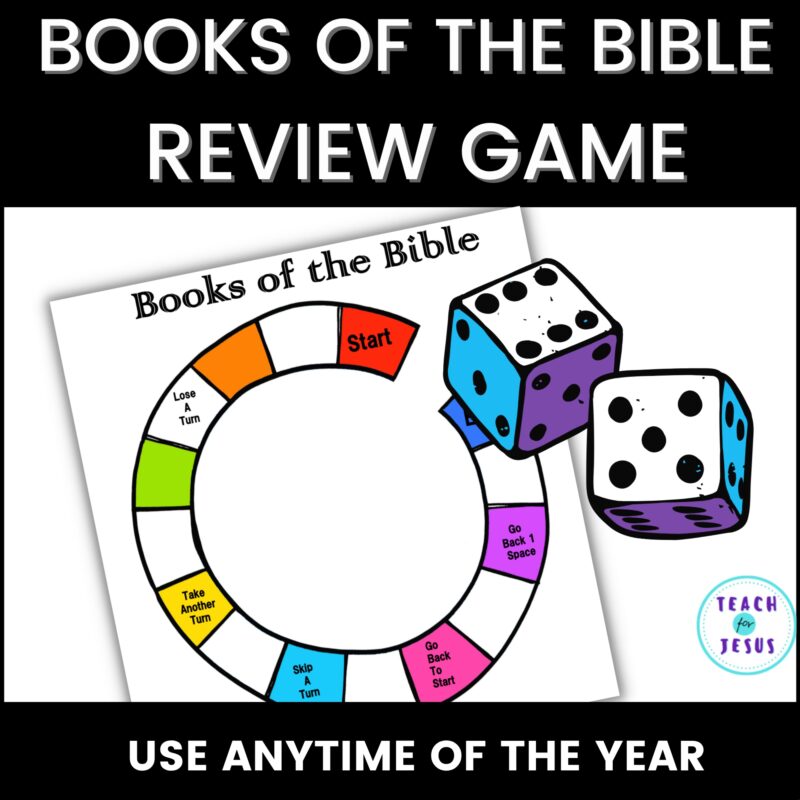
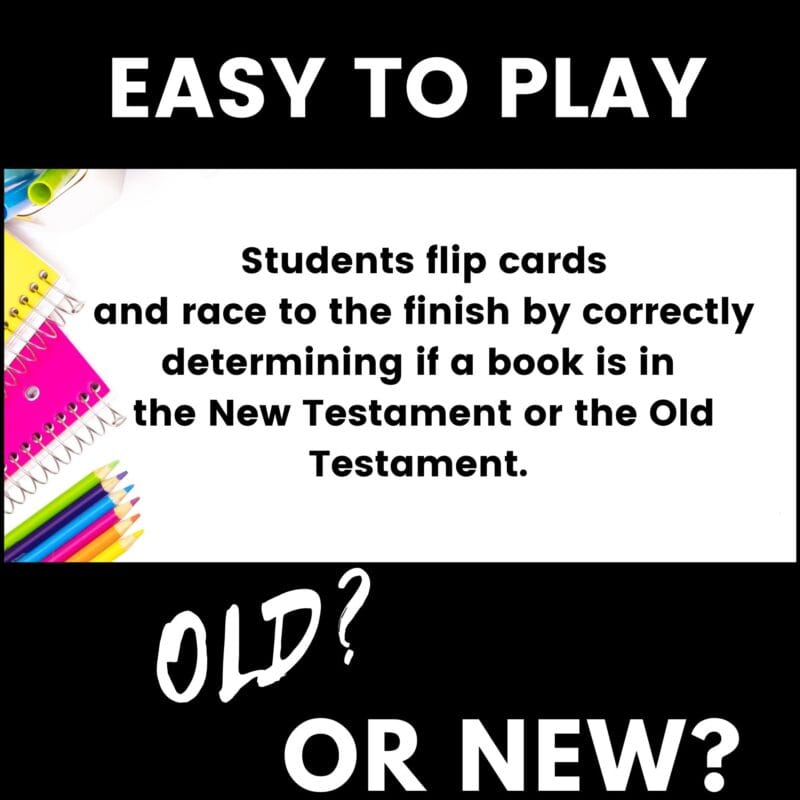
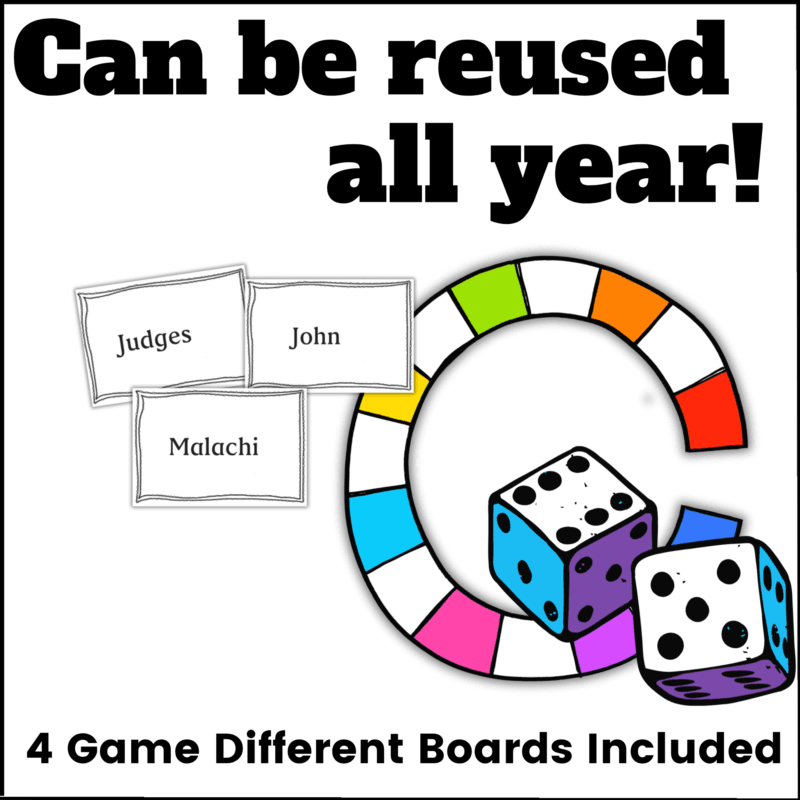
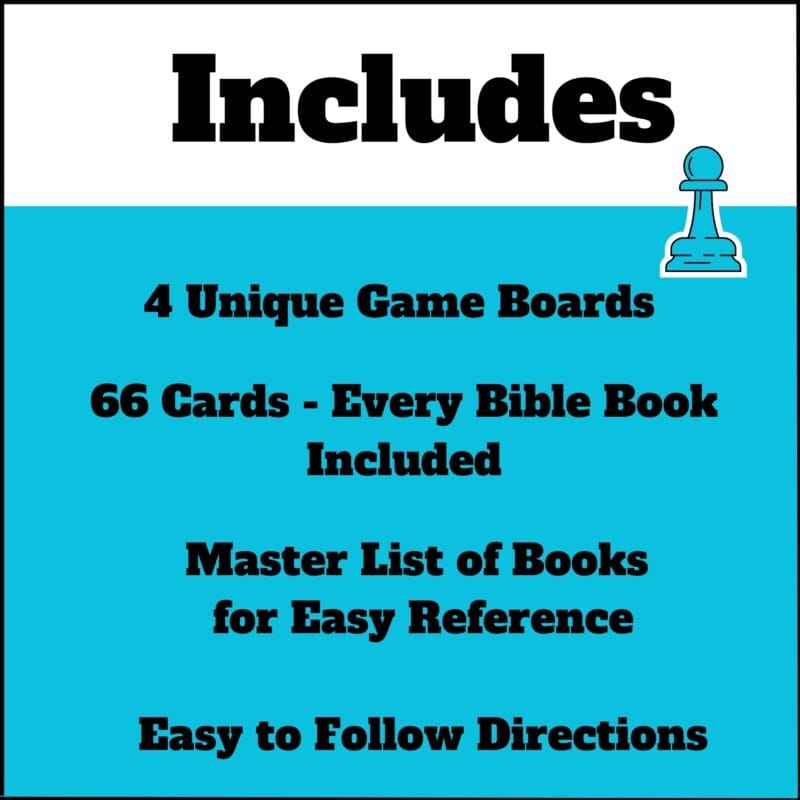
1. Play Books of the Bible Review Games
Games are one of the most effective ways to help children learn and review Bible knowledge.
A Books of the Bible review game encourages students to:
- Recognize book names.
- Learn the correct order.
- Practice locating books in their Bibles.
- Work together as a team.
- Build confidence in Bible study skills.
Many teachers find that students learn faster when they don’t even realize they’re studying.
2. Create Bible Races
Divide children into teams and call out a specific book of the Bible.
The first student to find the correct book earns a point for their team.
This simple activity helps students become familiar with navigating their Bibles while creating excitement and engagement.
3. Use Songs and Motions
Children often remember information more easily when it’s paired with music.
Many Books of the Bible songs are available that help kids memorize all 66 books through catchy melodies and hand motions.
Songs work especially well for younger learners who benefit from movement and repetition.
4. Practice with Scavenger Hunts
Bible scavenger hunts encourage children to search through Scripture while becoming familiar with the layout of the Bible.
Students learn where books are located while solving clues and answering questions.
This type of activity combines learning, movement, and discovery in a way that keeps kids engaged.
Email Capture Form
Want more Bible games and Sunday School activities?
Join our email list and receive free Bible printables, lesson ideas, crafts, and activities delivered straight to your inbox.
Tips for Teaching Different Age Groups
Preschool and Early Elementary
Keep activities simple and focus on exposure rather than mastery.
Try:
- Bible songs
- Matching games
- Coloring activities
- Simple sorting activities
Young children learn best through repetition and play.
Upper Elementary
This age group is ready for more structured learning.
Try:
- Review games
- Bible races
- Scavenger hunts
- Team competitions
Older children enjoy challenges and friendly competition.
Youth Groups
Teens often appreciate activities that feel less like school and more like interactive challenges.
Try:
- Bible trivia competitions
- Escape-room style games
- Team scavenger hunts
- Timed challenges
These activities help reinforce Bible knowledge while building fellowship.
Common Challenges When Teaching the Books of the Bible
Many teachers encounter the same obstacles when helping kids learn Bible skills.
Challenge #1: Kids Feel Overwhelmed
With 66 books to learn, some students may feel intimidated.
Solution:
Break learning into smaller sections and celebrate progress along the way.
Challenge #2: Students Lose Interest
Repetition can become boring if it’s not engaging.
Solution:
Use games, movement, and variety to keep learning fresh and exciting.
Challenge #3: Students Forget What They Learned
Memory fades without practice.
Solution:
Schedule regular review activities throughout the year to reinforce learning.
Remember, learning the Books of the Bible is a marathon, not a sprint. Small, consistent practice often produces the best results.
Conclusion
Helping children learn the Books of the Bible is one of the greatest gifts we can give them. When kids know how the Bible is organized, they gain confidence in reading Scripture and become better equipped to grow in their faith.
The key is making the learning process fun, interactive, and meaningful. Through review games, scavenger hunts, songs, and hands-on activities, children can build strong Bible skills that will serve them for years to come.
Whether you’re teaching in a Sunday School classroom, homeschooling your children, leading a youth group, or discipling kids at home, investing time in teaching the Books of the Bible helps lay a foundation for a lifetime of Bible study.
If you’re looking for an engaging way to review and reinforce Bible knowledge, a Books of the Bible review game can be a valuable addition to your teaching toolbox. Kids learn best when they’re having fun, and a little friendly competition can go a long way toward helping God’s Word stick in their hearts.